

Oil above $100; Global market under siege from geopolitical risks
The rise in Brent oil prices to over $106 in trading on October 14 revealed once again the global energy market's sensitivity to supply disruptions in the Middle East. Despite a relative improvement in the export flow of some Gulf producers, concerns about the security of maritime routes and oil infrastructure continue to cast a shadow over prices.
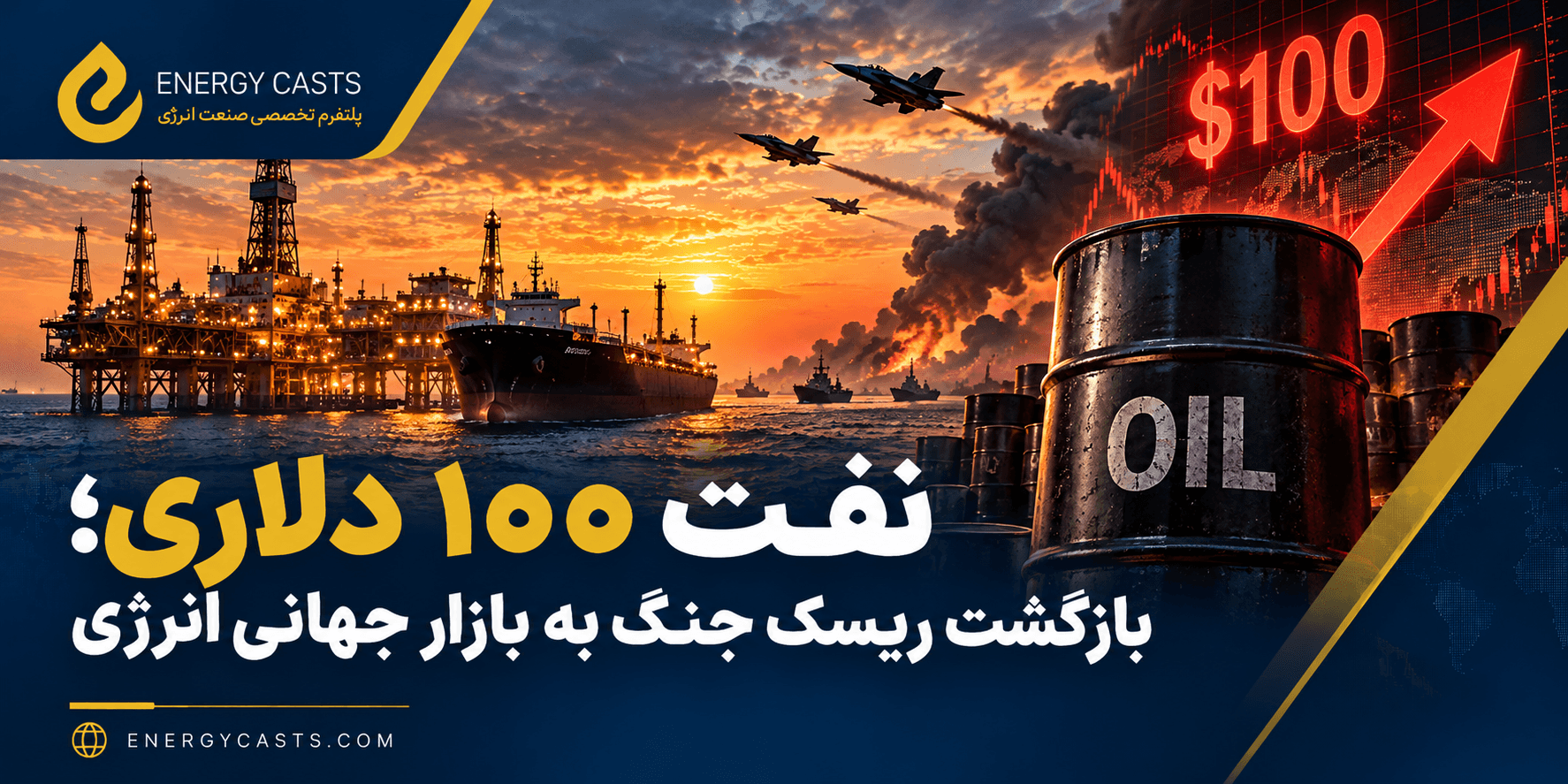
On October 14, 2026, the price of Brent oil reached $106.06. Concerns about supply disruptions in the Middle East, threats to transportation routes, and uncertainty regarding the security of oil infrastructure are the main factors putting pressure on the market. However, a relative improvement in regional exports and the potential increase in Russian product supply could mitigate some of the upward pressure.
Oil has become more expensive; but is the market really facing a supply shortage?
The global oil market in mid-October 2026 has once again been affected by security developments in the Middle East. Brent crude oil closed on Wednesday, October 14, with an increase of 37 cents, equivalent to 0.35%, reaching $106.06 per barrel. West Texas Intermediate crude oil also closed at $95.09, up 1.01%.
This increase has occurred while the market is facing two opposing forces: concerns about disruptions in Middle Eastern oil supply and expectations for increased supply of Russian oil products.Reuters
Why is geopolitical risk still a price driver?
In the oil market, only a real reduction in production leads to price increases. The possibility of supply disruptions can also encourage traders to pay higher prices for deliverable cargoes.
Attacks on ships, rising shipping insurance costs, and threats to energy infrastructure are factors that increase the cost of oil trade.
In such circumstances, even if producers can recover some of their exports, ongoing uncertainty may prevent a rapid decrease in prices.
The return of exports does not mean an increase in production
One of the most important points in the recent report from the International Energy Agency is the improvement in crude oil export flows from Gulf producers.
According to a report published on October 14, crude oil exports from Gulf producers increased by about 4.4 million barrels per day in September, reaching nearly 75% of pre-war levels.
However, an increase in exports does not necessarily mean a corresponding increase in production. Part of the export growth may have resulted from a change in the allocation of oil between domestic refineries and foreign customers.
This distinction is very important for market analysis; as a temporary increase in exports, without a growth in production capacity, does not necessarily mean the removal of structural supply constraints.
Three scenarios for the future of oil prices
Scenario one; reduction of tensions:Improved shipping security and a sustainable return of exports could reduce some of the added risk to oil prices.
Scenario two; continuation of uncertainty:The market may remain within high price ranges and volatile; even if physical supply gradually improves.
Scenario three; new disruptions in infrastructure:Severe damage to production or export facilities could exacerbate supply constraints and create new upward pressure.
These scenarios are not definitive price predictions, but rather a framework for assessing the factors affecting the market.
Implications of high oil prices for Iran
The increase in global oil prices theoretically can raise the value of producers' exports; however, this relationship leads to increased revenue only when there is the possibility of exporting and receiving funds from sales.
For Iran, under conditions of maritime export restrictions, the rise in global prices alone does not guarantee an increase in oil revenue.
Therefore, in assessing the state of Iranian oil, three independent variables must be examined: global price, actual export volume, and revenue collection.
- #نفت
- #پتروشیمی
- #قیمت نفت